Skip to content
Method-based examples from Blazemist deployments across the EU

Blazemist Case Studies for Smart Livestock Monitoring and Precision Farming

This page explains how Blazemist projects are typically planned, installed, and measured. We focus on practical workflows: clearer animal checks, fewer missed events, steadier barn conditions, and better records for sustainability reporting. Outcomes depend on farm practices and baseline conditions, so we describe methods and indicators rather than making universal performance claims.

abstract farm dashboard charts sensor nodes barn red bronze data visual blazemist

What we measure in Blazemist case work

  • Alert-to-action time and follow-up consistency
  • Network uptime, device coverage, and data completeness
  • Barn climate trend stabilization (model-dependent)
  • Export quality for audits and advisor review

Documented scope

Every Blazemist project defines what is measured, how it is logged, and who acts on it.

Risk controls

Alert tuning and training help reduce noise and avoid missed high-priority events.

Case studies on this page are representative examples. No personal data is shown.

How Blazemist runs a project

A repeatable rollout method that protects daily routines

Farms adopt monitoring tools for different reasons: earlier health checks, more stable barn conditions, integration with milking robots, or clearer records. Blazemist uses a structured rollout method so teams do not have to guess what “good data” looks like. We define device coverage targets, network expectations, and the exact follow-up steps for each alert type.

The deliverable is not just hardware. Blazemist delivers a farm-specific configuration: alert thresholds that match your protocols, roles and permissions for staff, and exports for advisor review. This approach supports day-to-day decision-making and helps build a consistent evidence trail for sustainability and CAP-related documentation where applicable.

  1. 1) Baseline and scope

    We capture the baseline: current health-check cadence, barn climate routines, and what data you already have. Blazemist then defines a pilot scope (groups, barns, or houses) with measurable indicators such as alert-to-action time and data completeness.

  2. 2) Connectivity and placement

    Blazemist validates coverage for gateways and sensor nodes, then documents device placement. This step prevents “invisible” gaps that reduce trust in the dashboard and helps maintain stable ingestion for reporting exports.

  3. 3) Alert rules and workflows

    We tune alert thresholds and escalation rules so staff see fewer low-value notifications. Blazemist training focuses on consistent follow-up notes, which improves later evaluation and advisor discussions.

  4. 4) Review and expansion

    Blazemist reviews pilot indicators with your team and adjusts configurations. If the pilot meets agreed criteria, we plan an expansion phase with stable identifiers so trends remain comparable across seasons.

Transparency note

Blazemist systems provide decision support. Health outcomes can be influenced by nutrition, housing, genetics, seasonality, and management. We focus on measurable improvements in signal capture, workflow consistency, and documentation quality.

Representative case studies

Examples of Blazemist deployments by farm type

These cases are anonymized and written as realistic patterns we see during deployments. They are not guarantees. Use them to understand what a Blazemist pilot can look like, which modules are commonly paired, and how success is evaluated on a working farm.

Plan a rollout with Blazemist
dairy farm smart collar dashboard interface barn red bronze blazemist case study
Dairy

Case A: Dairy alert workflow + robot integration

A mid-size dairy operation uses Blazemist wearables and an integration layer to align health signals with milking robot events. The project goal is faster triage: identify which animals to check first during busy windows without adding extra screens.

Blazemist configuration

  • RiftCollar RT for activity and rumination proxies
  • MilkLink Connect event stream mapping
  • Three-tier alert levels with assigned follow-up notes

Indicators tracked

Alert-to-action time, percentage of alerts with documented follow-up, data completeness per day, and integration uptime.

poultry house environmental sensors ammonia humidity monitoring barn red bronze blazemist case study
Poultry

Case B: Barn climate stabilization with sensor nodes

A poultry operation introduces Blazemist environmental sensors to track humidity and ammonia trends at multiple points in a house. The goal is to reduce blind spots and improve ventilation timing decisions with evidence, especially during seasonal transitions.

Blazemist configuration

  • BarnSense AQ multi-node layout
  • Trend alerts for sustained threshold exceedances
  • Exportable weekly summaries for internal review

Indicators tracked

Hours above defined thresholds, frequency of ventilation adjustments, sensor uptime, and completeness of weekly logs.

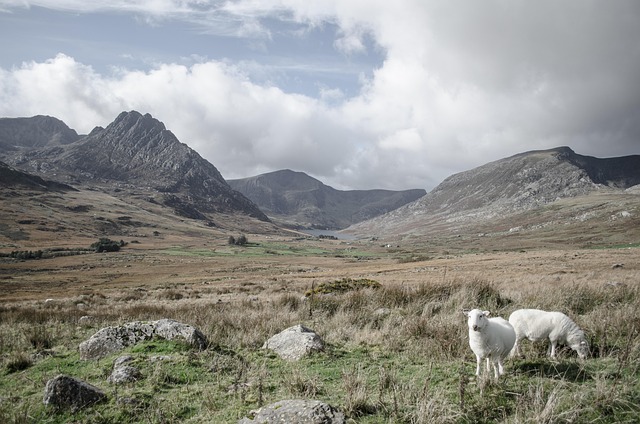
sheep and pasture mapping drone operations dashboard dutch landscape barn red bronze blazemist case study
Sheep / Pasture

Case C: Pasture mapping + boundary alerts

A grazing-focused operation uses Blazemist location events and a pasture workflow to support boundary checks and paddock planning. The aim is to reduce time spent searching during exceptions and to keep paddock records consistent for seasonal reviews.

Blazemist configuration

  • Location events for boundary exceptions
  • PastureDrone Ops mapping workflow (where permitted)
  • Standardized paddock notes and exports

Indicators tracked

Response time to boundary exceptions, completeness of paddock notes, and seasonal comparison readiness.

Case D: Beef herd, fewer missed checks during peak workload

A beef operation adopts Blazemist wearables primarily to support routine checks when staff coverage changes. Instead of relying on memory and ad-hoc notes, the farm uses a short daily “priority list” derived from activity anomalies and temperature trends, plus a structured follow-up note template. The project focuses on process consistency: when an animal is flagged, the next step and the documentation are the same regardless of shift.

What was added

Wearables, gateway coverage validation, and alert tuning for reduced noise.

What was measured

Follow-up completeness, time-to-check, and days with full data ingestion.

Case E: Documentation exports for advisor review and audits

An EU farm group wants consistent records across multiple sites. Blazemist standardizes naming conventions (barns, groups, devices), defines what events are logged, and sets a review cadence. Exports are structured so advisors can compare periods without reformatting spreadsheets. This does not guarantee any specific audit outcome, but it reduces the risk of incomplete records and makes internal reviews faster.

What was added

Standard data schema, export templates, and a weekly review workflow.

What was measured

Export completeness, staff adoption, and reduction in manual rework.

Ready for a pilot?

Define a Blazemist pilot with clear success criteria

Blazemist pilots are designed to be measurable and low disruption. We define what will be installed, who will use it, how alerts are handled, and which indicators decide whether expansion makes sense. If you already have milking robots, feeding automation, or existing sensors, we can assess integration options and propose a staged roadmap.

Pilot checklist (Blazemist)

  • Species and housing scope (barn, pasture, house)
  • Connectivity review (coverage, gateways, offline buffer needs)
  • Alert priorities and staff roles for follow-up notes
  • Integration targets (milking robots, feeders, existing software)
  • Success indicators and review schedule

Blazemist can share example templates during the technical call. Data handling details are described in our Privacy Policy.